
横須賀美術館で開催された「山本理顕展 コミュニティーと建築」に行ってきました。
著書の中で”小さな経済圏”と仰る集合住宅のようなスケールから、大きな公共建築も取り組まれ、仕事の幅の広さと仕事量に改めて驚きました。
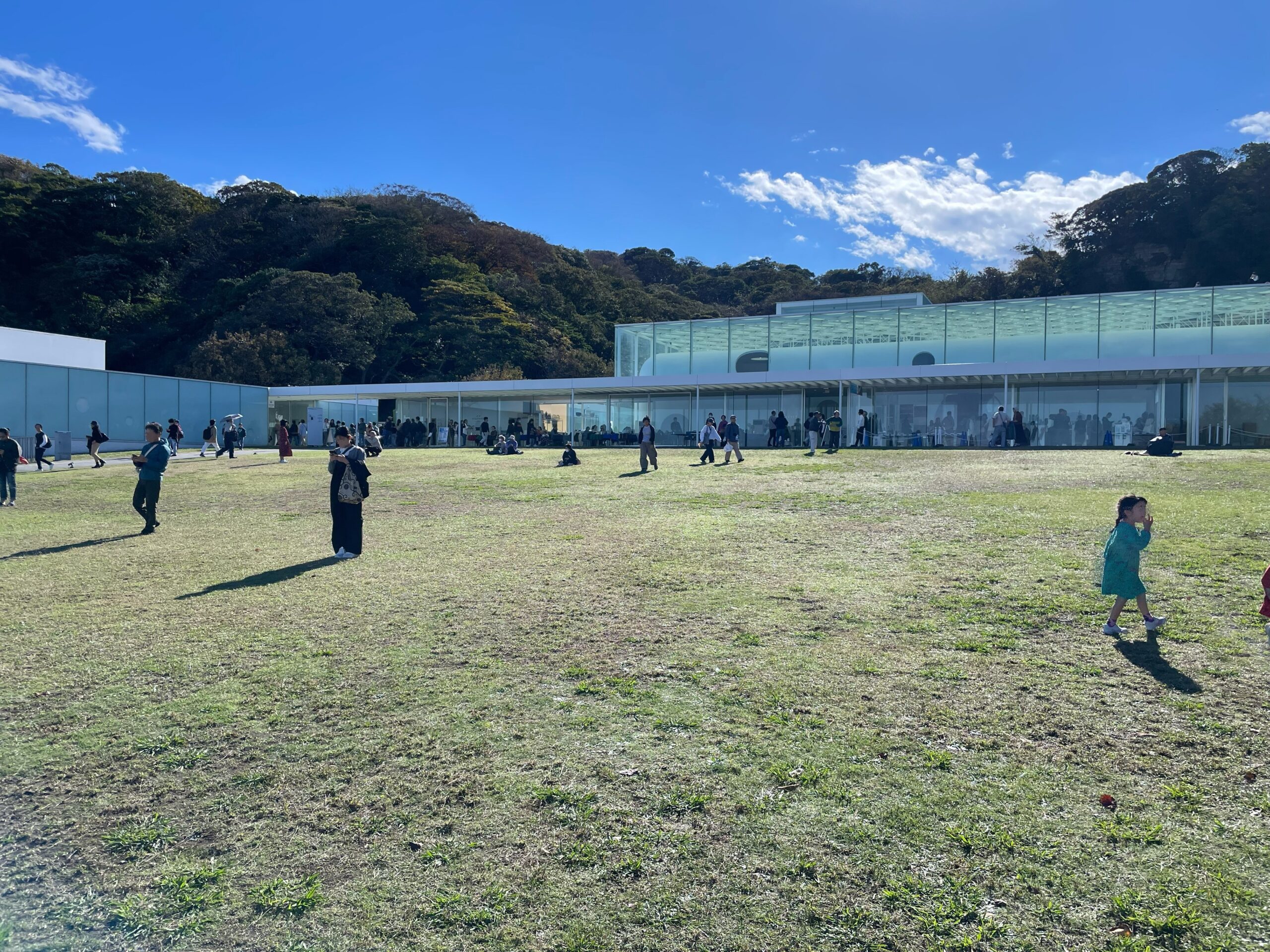
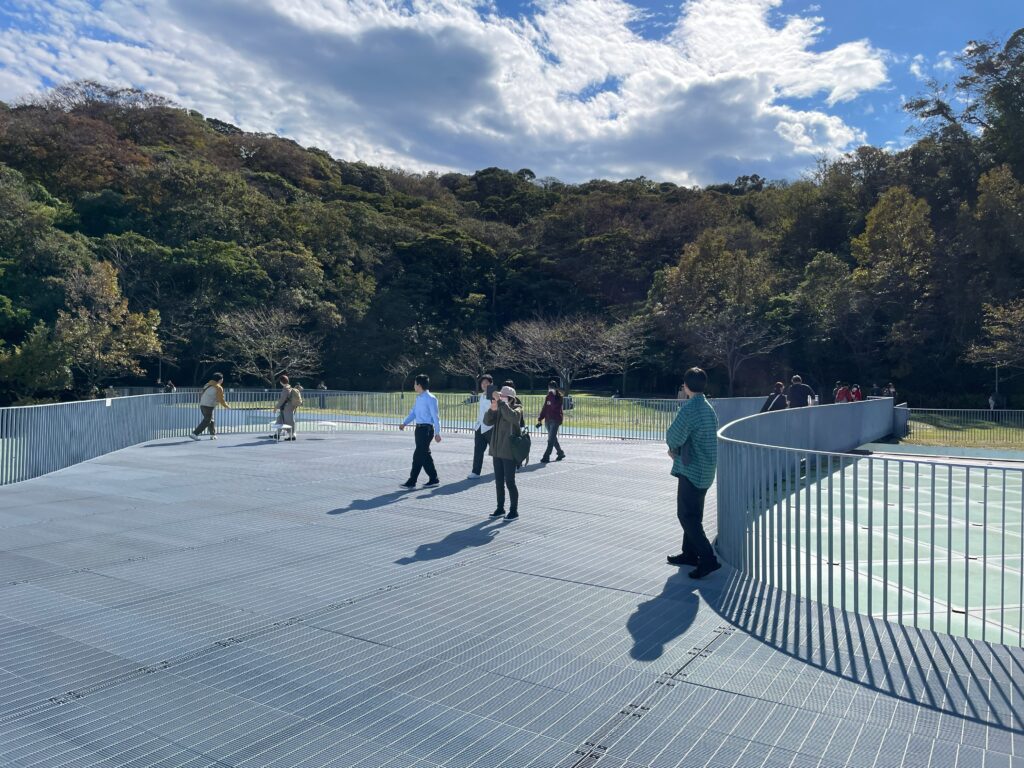
竣工は自分が学生の頃でしたが、今でもきれいに使われており、また人の多さからも、地元の方に愛されている建物なんだろうな、と思いました。
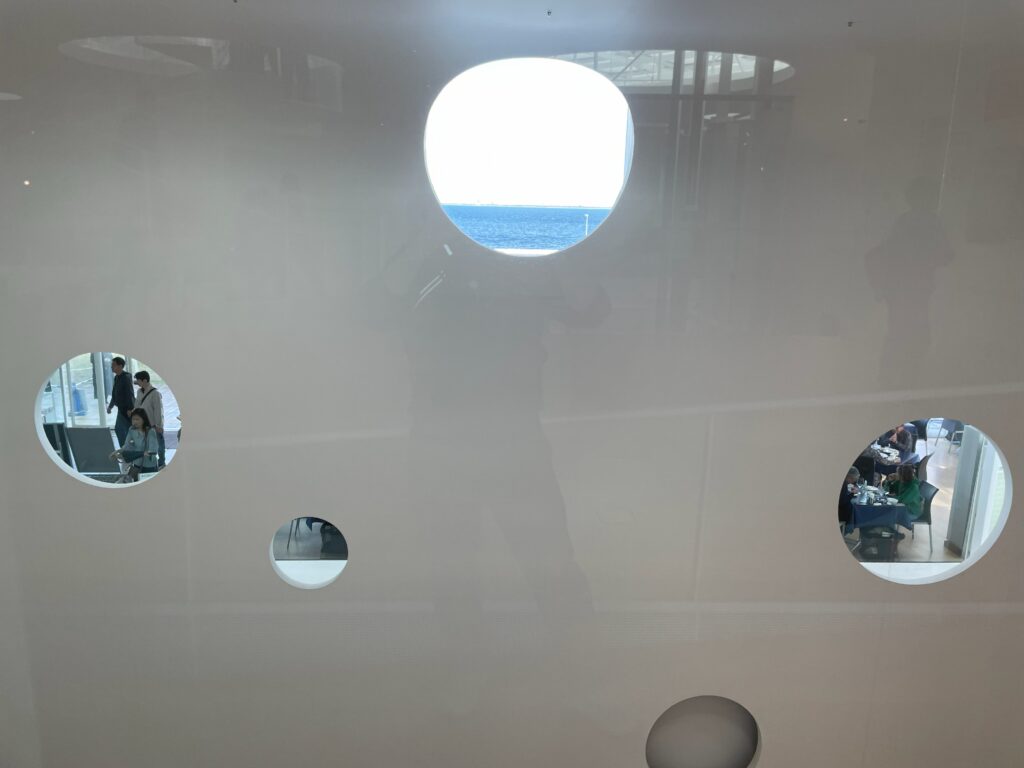
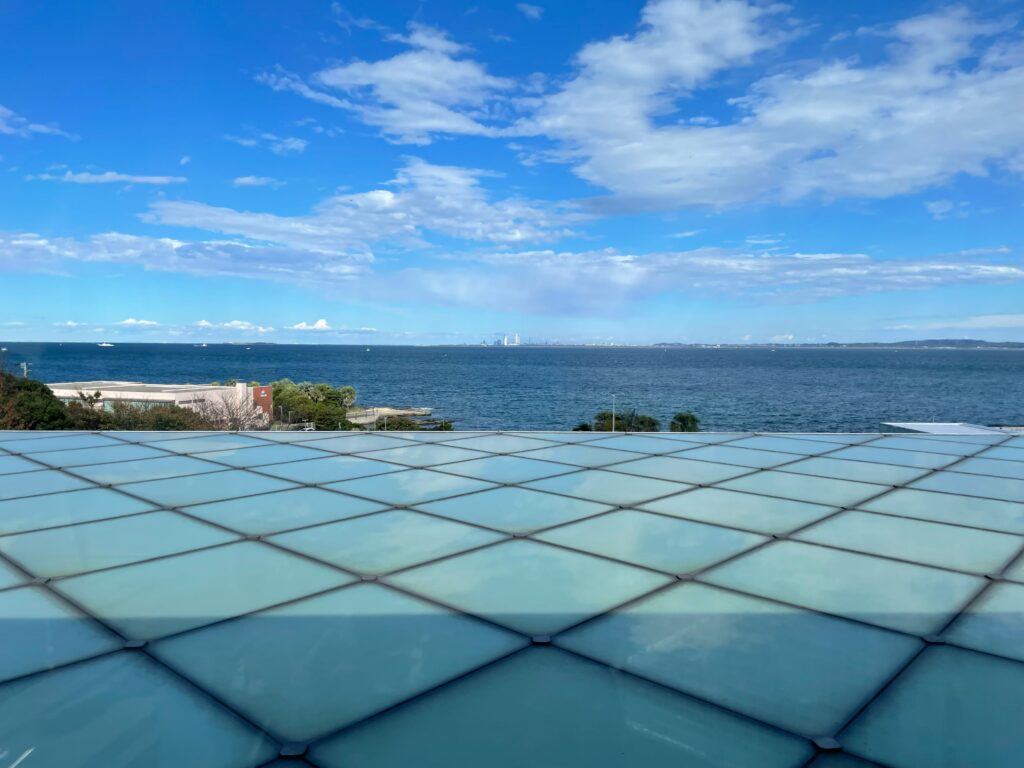
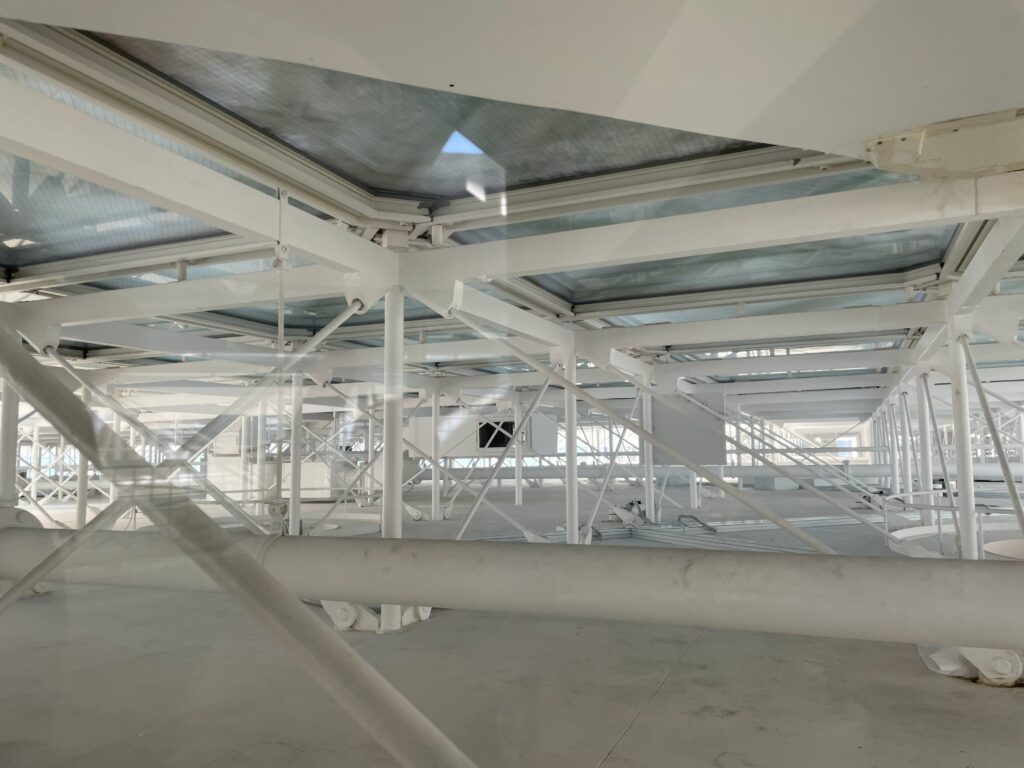
海に面した美術館なので塩害から守るためにダブルスキンを選択し、かつ、その外皮の上がテラスという構成です。構造と設備は外皮と内皮の間にまとめ、内皮の内側は自由なプランとなるよう計画されています。外皮の中で全てを完結しようとすると、ブレースがこの量になるんだな、と思いました。
I visited the exhibition “Riken Yamamoto: Community and Architecture” held at the Yokosuka Museum of Art.
From the scale of collective housing, which he describes in his writings as a “small economic sphere,” to large public buildings, Yamamoto has worked across a remarkable range of projects. I was once again impressed by both the breadth of his work and the sheer volume of projects he has undertaken.
The museum was completed when I was a student, but it is still beautifully maintained today. Judging from the number of visitors, I felt that it must be a building that is truly loved by the local community.
Because the museum faces the sea, a double-skin façade was adopted to protect the building from salt damage, with a terrace placed above the outer skin. The structural elements and building services are organized within the space between the outer and inner skins, allowing the interior side of the inner skin to remain freely planned. Seeing the building firsthand, I was struck by how many braces were required when all of these functions are integrated within the envelope itself.